



Basic Fuel Types of Forklifts
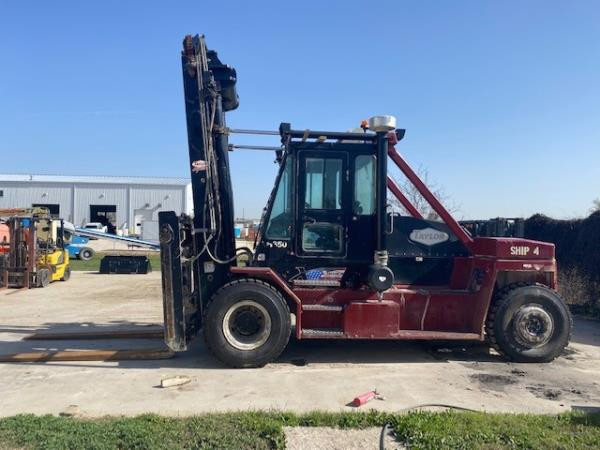
Forklifts, also called powered lift trucks, are used to perform many tasks in construction, distribution and industrial settings. These heavy-duty equipment are designed to be reliable and tough so they are capable of transporting heavy items in all different kinds of conditions and environments. Forklifts are powered by numerous kinds of fuels and therefore can adapt to lots of different work settings.
Electricity
Producing no emissions, the electric forklifts are really reliable and quiet. These units are powered by industrial-strength large batteries which are made to be able to be successfully recharged around 1500 times throughout their useful lifespan. Because electric forklifts create no exhaust fumes, it is oftentimes the machinery of choice and necessity in areas which have limited ventilation. These forklifts require a charging place somewhere on the premises which is equipped with an eyewash station and emergency acid spill kit because of the batteries. For safety reasons, the charging section needs to be well ventilated.
Propane
Liquid propane is a common power source for the modern forklift. Propane offers various benefits over diesel and electric models. Like for example, propane usually costs less than electricity. When the battery is being recharged, there is no need to remove the forklift from service.
Furthermore, compared to diesel powered models, propane units offer a much cleaner operation. In most instances, a propane forklift can be refueled by simply changing out the propane tank which is empty with a new full one. Usually, an off-site supplier will re-fill the tanks. This ensures an easy, safe and fast re-fueling process.
Gasoline and Diesel
Gasoline and diesel forklifts can require more maintenance and produce a smelly exhaust. They have fairly high fuel costs too. As they have a useful and much longer lifespan, they are quite dependable than propane or electric models. Re-fueling requires a fuel supply on site which conforms to strict safety and health codes. Diesel and gas models are mainly used on rough terrain in outdoor applications, like on construction sites or in lumber yard environments.