




Aerial Work Platforms
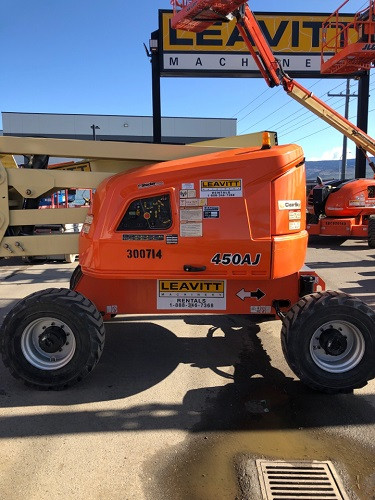
AWP or aerial work platforms are engineered and designed to raise workers and their gear to a particular height in order to do a job. The particular model and manufacturer and kind of equipment all varies. Before aerial work platforms were developed, all jobs needing work at high levels needed to be carried out with scaffolding. Therefore, the invention of aerial work platforms has kept numerous workers safe and increased the overall productivity of similar tasks.
The three key kinds of aerial work platforms are scissor lifts, boomlifts and mechanical lifts. These machines could be operated with pneumatics, mechanically making use of a rack and pinion system or by hydraulics or with screws. These units may be self-propelled with controls situated at the platform, they may be unpowered models needing an external force to move them or be mounted to a vehicle in order to be transported.
The aerial work platform was devised by John L. Grove, an American industrialist and inventor. Nonetheless, in 1966, prior to JLG's first model, a company called Selma Manlift launched an aerial lift unit.
John L. Grove together with his wife decided to take a road trip during the year 1967. This was after selling his previous company Grove Manufacturing. They opted to make a stop at Hoover Dam. While the couple was there, Grove unfortunately saw 2 employees electrocuted while they were working on scaffolding. This tragic event led John Grove to discover an untapped market for a new product that could raise employees safely in the air for them to perform construction and maintenance tasks in a better way.
When John returned home from his trip, he bought a small metal fabrication business and formed a partnership with 2 friends. They immediately began designing ideas for the aerial work platform. The new business was named JLG Industries Inc. They proudly launched their first aerial work platform during 1970 with the aid of 20 employees.